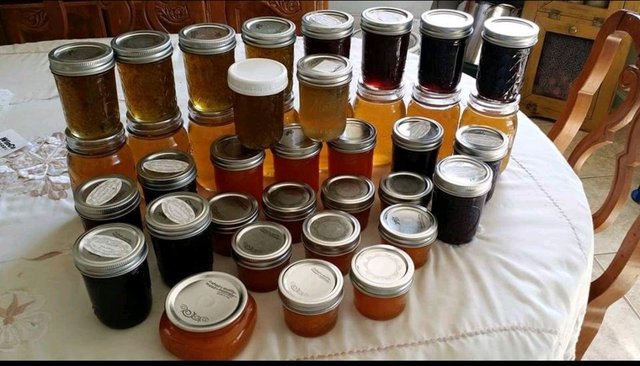
Several years ago, I reacquainted myself with the somewhat lost art of canning food. While I am definitely not an expert canner, I enjoy canning food for my family.
When I first took up canning, it looked like I was a doomsday prepper or homesteader. I had jars of canned food everywhere. The entire top shelf of my pantry was full. I am talking three to four rows deep and double and triple stacked jars. Now, I just can on occasion. My health isn’t the best these days, but I still find canning an important tool in food preservation and stretching those food dollars.
One the easiest items I can is vegetable broth. Some people save vegetable scraps in a bag, store it in the freezer until full, and then use it to make the broth. I do that as well. Sometimes I have left over veggies and just use them too. I typically have a good mixture of vegetables that I use to make the broth: potatoes, zucchini, red and yellow onions, garlic, radish (normally daikon), turnips, tomatoes, celery, and carrots. It just varies on what I have saved or need to use up. I will also throw in a palmful on whole peppercorn and some fresh herbs like thyme.
I typically add it all to my crock pot, fill it with water, set the time for eight hours on low, and let it do it’s thing. I usually start it first thing in the morning or in the evening so it cooks overnight. When the broth is done, I will strain the vegetables over a cheese clothed lined, fine mesh sieve. Once all the veggies are strained, I will change the cheese cloth and strain it once more to make sure the broth is clear.
Time to add the broth to a stock pot and bring it up to temperature so I can add it to my canning jars. As the broth is low acidity, it needs to be pressure canned. Prepare your sterilize your jars, lids, and bands.
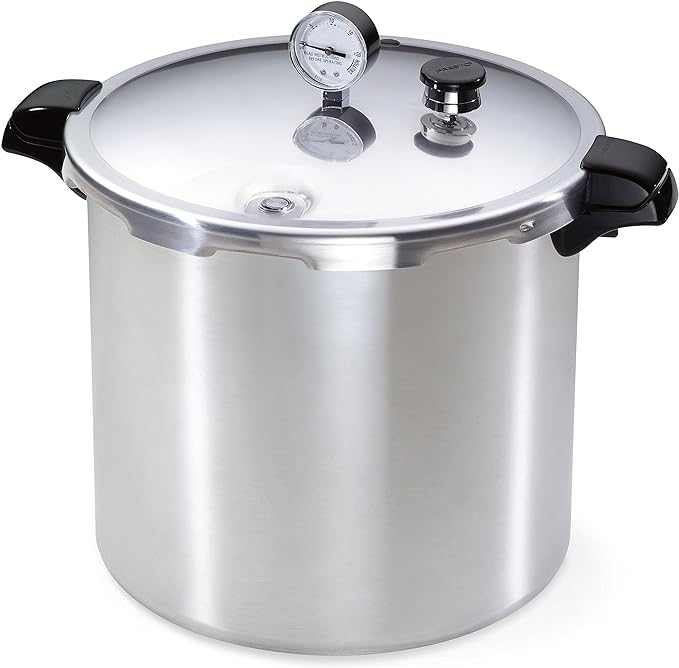
I have been using a stove-top pressure canner, like this one. I have been using it for years. I admit, when I first started pressure canning, this thing scared the living daylights out of me. I knew of the pressure cookers and canners of my parents generation and knew they wreaked havoc on kitchens when not utilized correctly. I am happy to report, I haven’t had an scary issues with my Presto pressure canner. You do need to monitor the amount of pressure, so don’t stray too far from the kitchen as it will need a bit of adjusting throughout the canning process. Other than that, it’s not difficult to use.
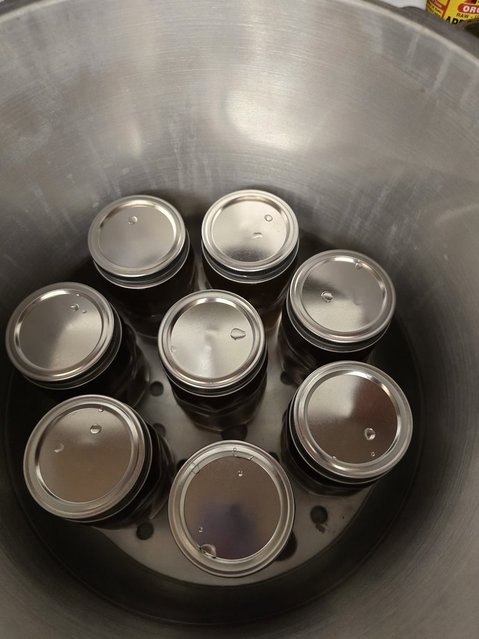
That being said, I have been wanting an electric pressure canner so I can process smaller batches. With my new mobility issues, lifting a heavy pot of water from the sink to the stove can prove a bit challenging for me. So I did it! I did a bit of research and chose to order myself an electric pressure canner. Now, the one I chose can be a pressure cooker as well, but it has a specific setting for canning that other electric pressure canners don’t. I already have a regular pressure cooker, I purchased this solely for the canning feature.
Here is my new kitchen “toy”. It’s a Carey Smart Electric Pressure Cooker and Canner and is 9.5 quarts. I have yet to try it out, but I am excited to do so soon.

I plan on making some turkey soup and will use this to do the canning. Making soup is a great way to use up leftover meats and vegetables. Definitely a great idea after Thanksgiving.
That’s my canning story. If you haven’t tried pressure canning or are new to canning in general, I highly recommend it. While it can be time consuming, it definitely is worth the effort. If you like growing your own vegetables and you’re good at it, unlike me, pressure canning can extend the life of those veggies before you and your family refuse to ever eat it again.
Happy Canning!
***As an Amazon Associate, I earn from qualifying purchases***


 The Pink Herald